
Legumes for Easter lunch ‘Pure Dansk’ edition.
When is the last time you cooked with legumes native to Denmark? You may not know this, but legumes such as peas, beans and lentils used to be a crucial part of Danish people’s diet before the potato got hold on us. High and low, rich and poor relied on the superpower of beans and peas to secure their intake of minerals, vitamins and protein in a time when meat was a luxury and imported produce from abroad a privilege of the few. Today, an increasing awareness of health and sustainability are making more and more people turn back to legumes for both their protein and sustainability needs. We met with the entrepreneurs behind Pure Dansk, whose goal it is to put Danish grown legumes back on our dinner table.
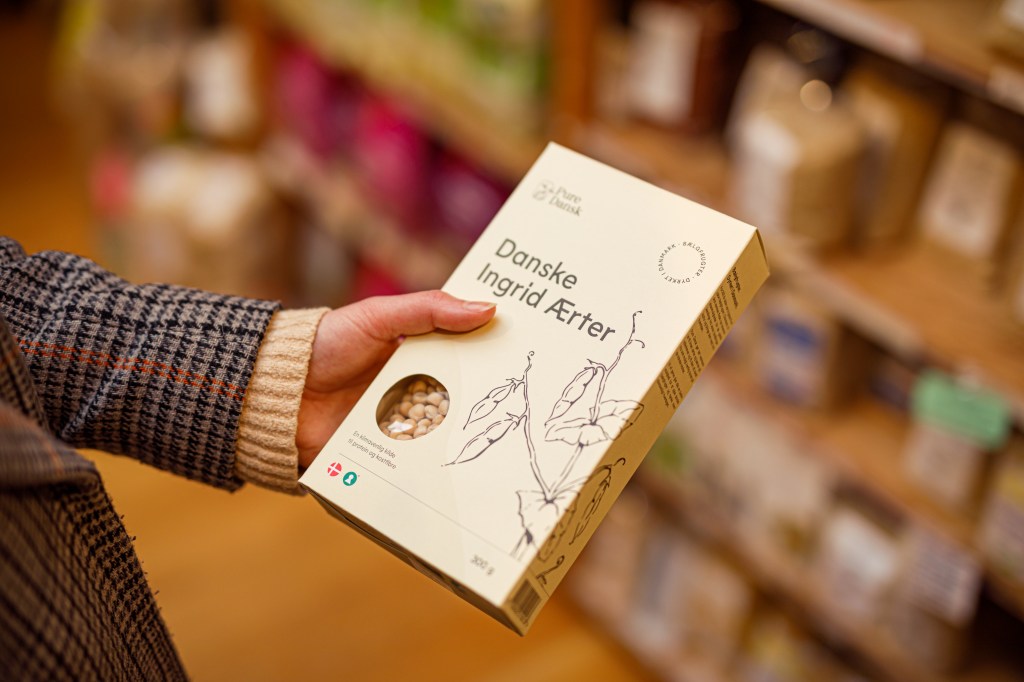
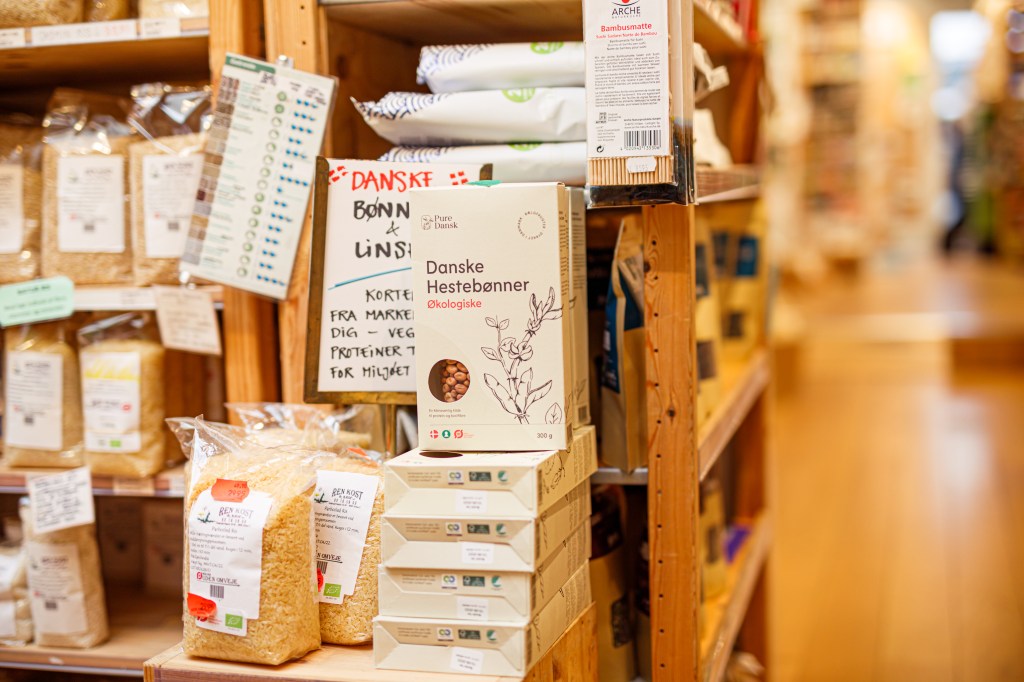
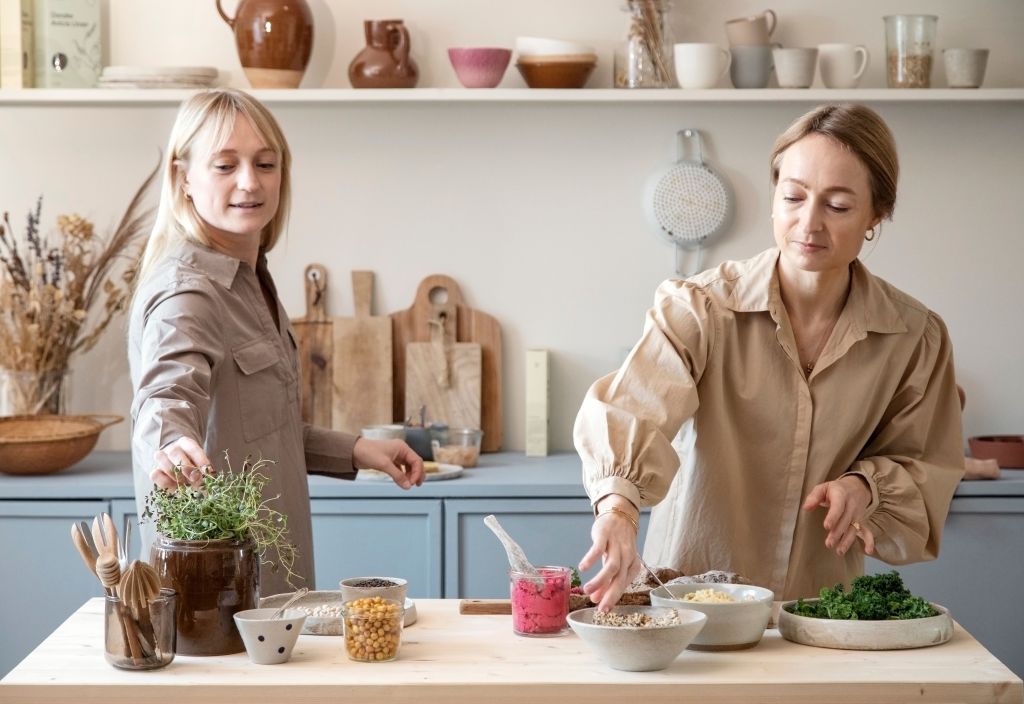
Pure Dansk controls and monitors every step of the production of legumes from the field until they’re packed and sold at the grocery store. Everything is done in Denmark – from the farming to the design and manufacturing of the packaging. “Pure Dansk arouse out of wonder.” Astrid and Malene Søgaard explains. The sisters are 8th generation farmers and know their way around farming and crops. “Danish farmers have produced beans and peasfor centuries. Danish legumes are known for their high quality and was a crucial part of our diet a hundred years ago. Todaywe feed it to life stocks and buy imported beans, peas and lentils from Turkey, China, France or Canada instead. We decided to change that.” This resulted in the launch of Pure Dansk in 2020, but the business is not only its products, but also a community of recipes, workshops and lectures held by Astrid and Malene Søgaard. “Our vision is to make Danes once again eat Danish beans, peas and lentils as a regular part of their diet. That more people will become aware of the amazing taste and endless possibilities of Ingrid peas, lentils anicia and horse beans. The Danish varieties has a quality way above what you can get from abroad –they have a fresher taste, and the journey from the field to the table is much shorter.”
Sustainability is a crucial part of Pure Dansk, along with a great pride in the innovativeness of Danish farming. “We are aware of how Pure Dansk can contribute with a positive impact upon society. We manufacture pure produce without any unnecessary additives during cultivation and processing. Because everything is produced in Denmark, we support both farmers, manufactures and printers thus living up to a social responsibility.” Being 8th generations farmers, the sisters were born and raised on a farm, and take an active part in the cultivation of their legumes which are grown by organic farmers in Djursland, Southern Jutland and Northern Zealand “Legumes are not new to Danish farmers and can be harvested by regular methods. We collaborate in planning which legumes to farmand investigate if we need more knowledge in the field.”
Legumes might very well be the answer to how Danish agriculture can keep on producing large amounts of nutritious high quality crops while cutting back on fertiliser and additives. Locally produced legumes can serve as a sustainable solution to the increasing number of Danes, who have adopted a totally or partly plant-based diet. Because how good is your veggies actually for the climate, if they have been flown across the world? As Astrid puts it: “We need to eat a more plant-based diet for both our health and the climate. Legumes are not only healthy, but a crucial part of securing healthy soil conditions. They are self-sufficient with carbon dioxide and make the soil fertile. Because of this, less fertilization is needed when growing legumes and they even contribute to secure the soil for surrounding crops by its roots –like a small tree.” The sisters are well on their way to secure accessibility to Danish grown legumes and hope that even more people will include Danish peas, beans and lentils instead of buying from abroad. “We are all on a journey towards a more plant-based diet –it might as well be Danish and taste good.”
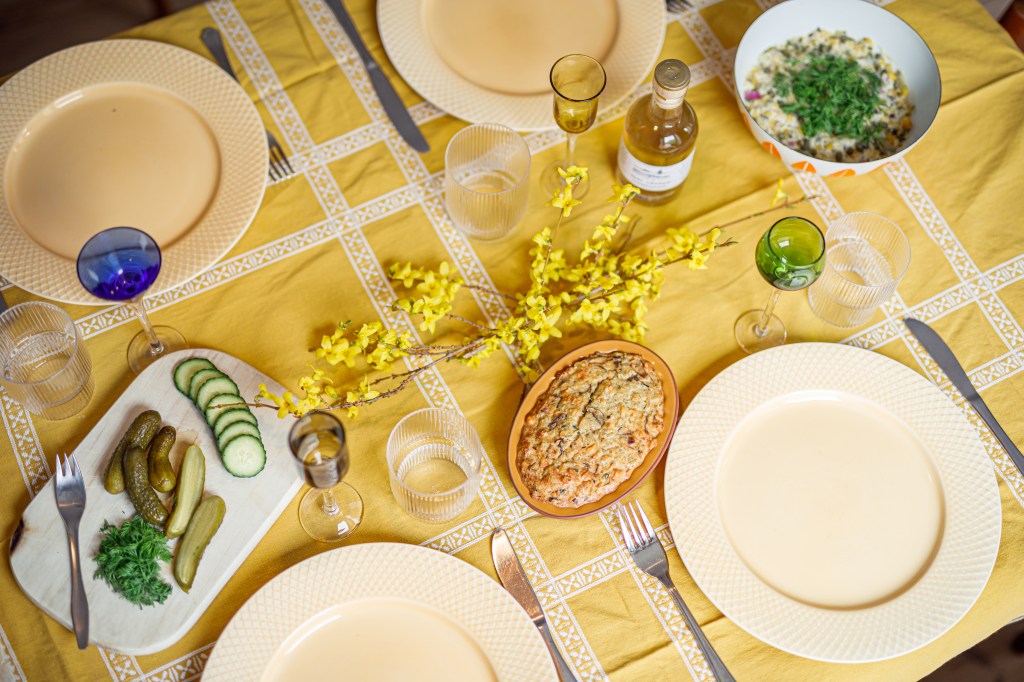
A vegetarian Easter
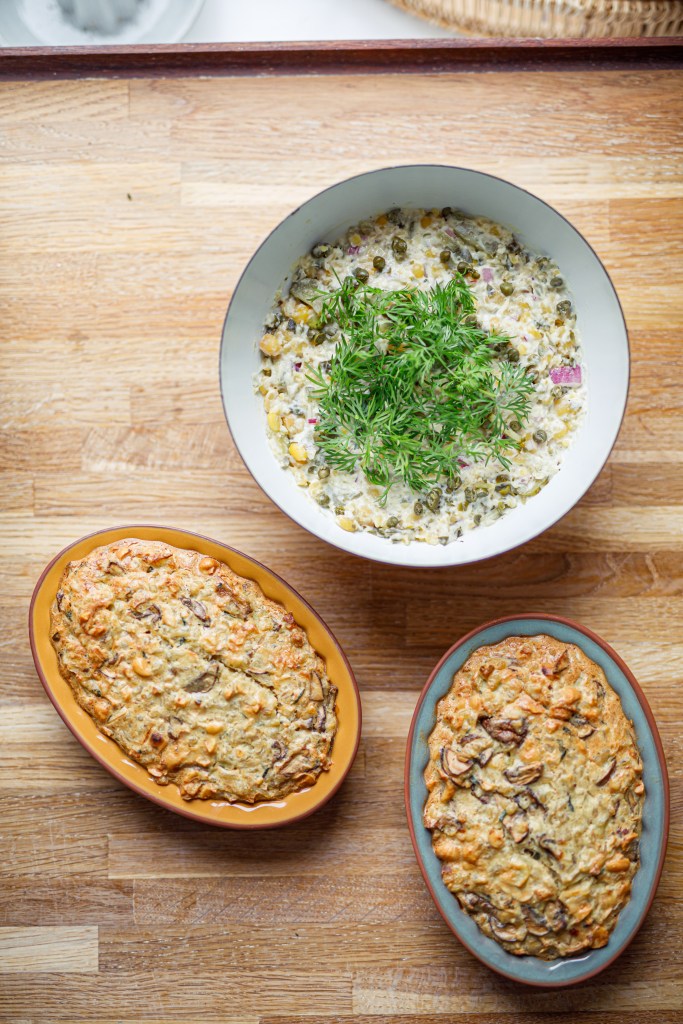
Feeling inspired for a legume Easter? We have tried two of Pure Dansk recipes for a greener Easter lunch.
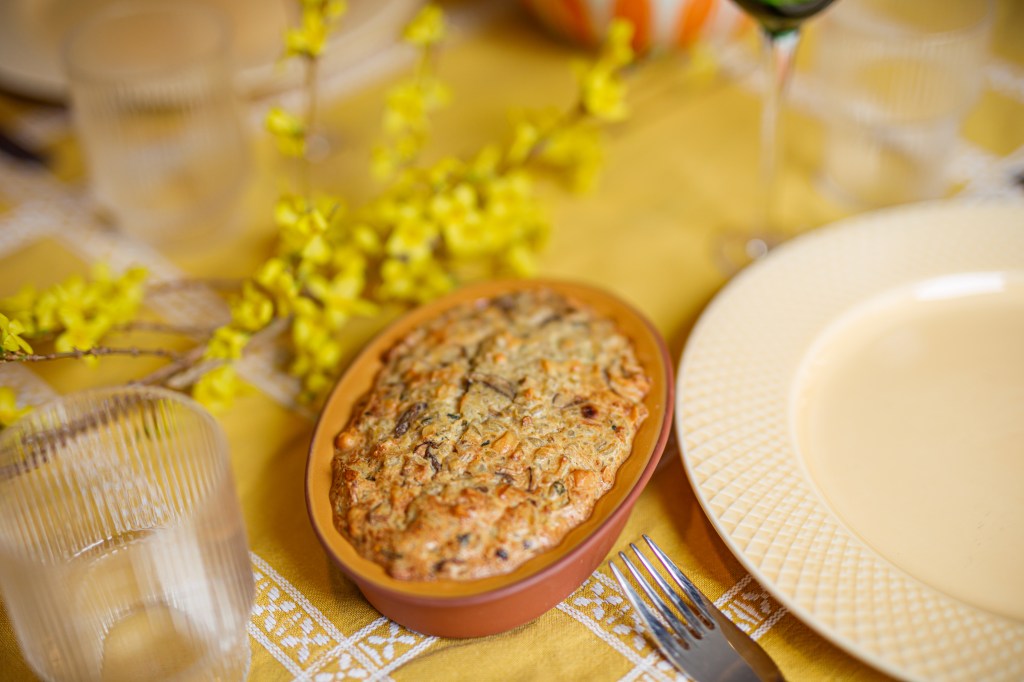
Homemade mushroom pâté with pea flour 4-6 people.
Ingredients:
½ dl Danish pea flour
50 g pearl barley1 onion1 garlic clove
250 g mushrooms
100 g hazelnuts
1½ tbsp soysauce
1 handful fresh thyme
1½ dl cream
2 eggs
Salt and pepper
Oil
Method
1) Rinse pearl barley thoroughly and boil for about 20 minutes in lightly salted water.
2) Chop garlic and onion in small pieces, and fry in oil until soft. Mix onions and garlic with pearl barley
3) Clean the mushrooms. Chop them and fry in oil until golden. Add chopped thyme and soy sauce and fry for another minute. Add mushrooms, thyme and soy sauce to the onion mixture.
4) Roast hazelnuts on a hot and dry pan for a few minutes. Peel of the shell and chop. Add the chopped hazelnuts to the rest.
5) Add cream, eggs and stir. Smooth the mixture with pea flour. It should be creamy –not dry. Add more pea flour if the mixture is too wet.
6) Bake the pâté in a greased baking pan at 200°C for 35-40 minutes. Serve with leftover mushrooms or pickled beetroot.
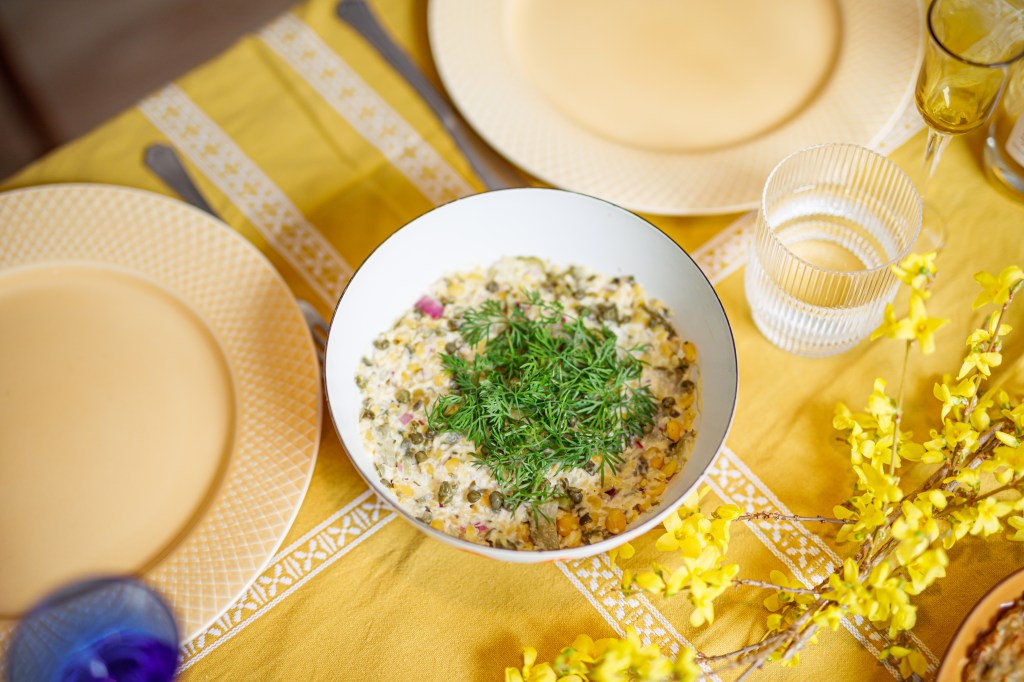
No tuna salad
Ingredients:
1½ dl Danish Ingrid peas
1 tsp. baking powder
1 sheet of nori sea weed
2½ tbsp. capers5 small pickles
2 handfuls of dill
½ red onion
1 tbsp. lemon juice
½ dl mayonnaise (we took creative liberties, and did half / half of mayo & creme fraiche)
Salt and pepper
Method
12 hours before preparing or the day before:
1) Soak the peas in plenty of waterand store in a cool place
Next day:
2) Remove the water from the soaked peas
3) Boil the peas with baking powder for 15-20 minutes or until they are very soft.
4) Cool down the peas and crush them.
5) Chop nori seaweed, capers, pickles, dill and red onions. Mix with the crushed peas.
6) Fold in the lemon juice and mayonnaise. Season with salt and pepper. Serve with fresh dill on top of your rye bread.

 låcals
Skriv en kommentar