
We are asking the questions, so you don’t have to.
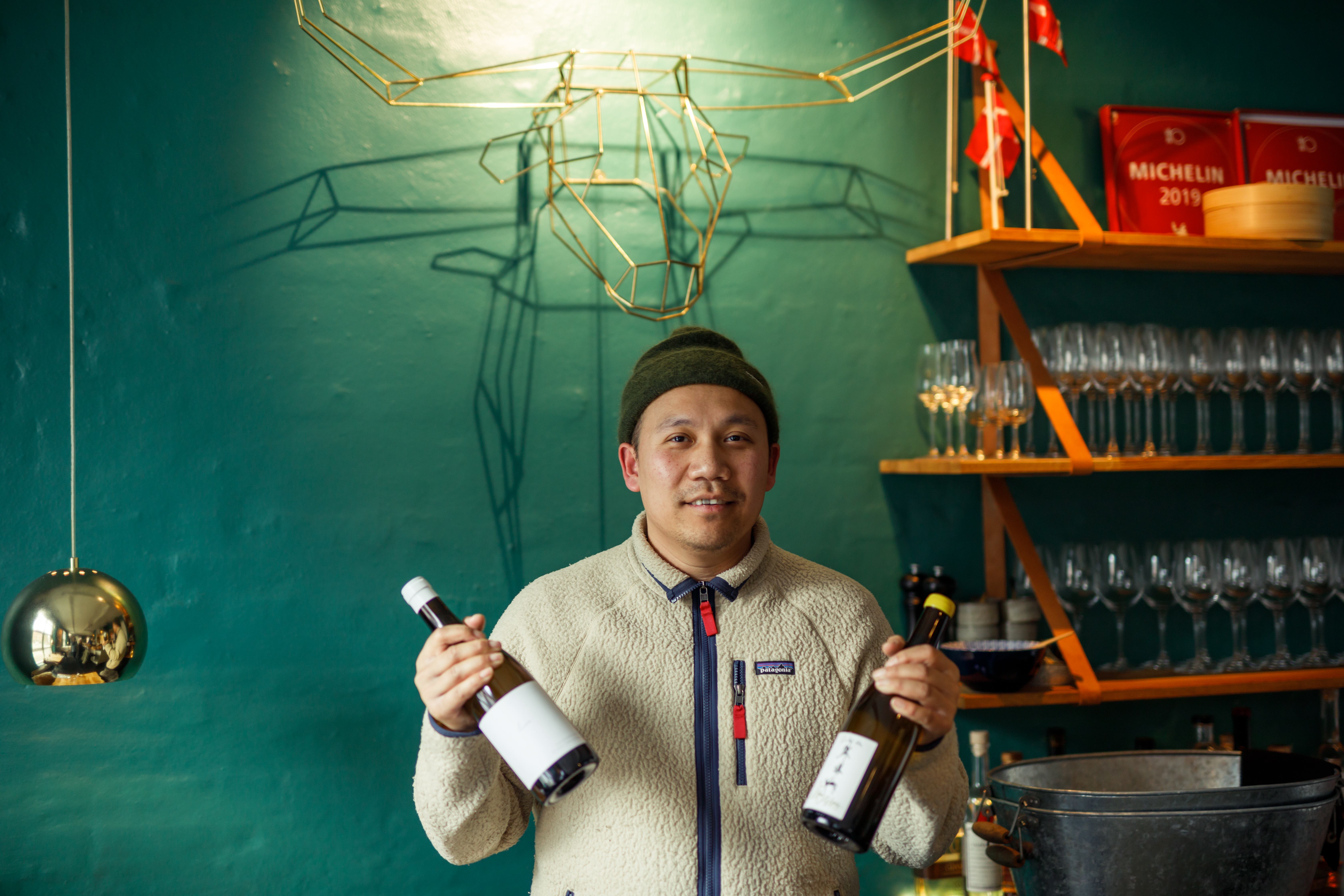
As wine lovers and millennial city dwellers, we have had our share of natural wine. It is pretty hard not to, if you’ve been living in a major city, or just been following the trends for the past decade. Natural wine bars are the new normal, and restaurants select and recommend a much greater variety of wine that might have been labeled funky or weird just a few years ago –at least in Aarhus. Nevertheless, even after sipping endless glasses of orange, white and red, we’re still puzzled by what natural wine actually is. And one of us even works with wines as a sommelier. What is good, what is a no-go and when is funky too funky? We made an alliance with Somchai Saensee to help us clarify what defines natural wine. His nickname must literally be Som, because it is easier to pronounce, and he is in charge of the wine menu together with Michell Wacher Rødbro at Møf.
Som is the Restaurant Manager at Restaurant Møf, which was one of the first restaurants in Aarhus to serve and select natural wine to go with their menus. The food is in touch with the season, and thought out by the creative minds in the kitchen. You get honest food with local ingredients inspired by flavors and creations from all over the world. With a creative and modern kitchen, the wine naturally has to support both the dishes and the vibe.
“Natural wine and especially orange wine goes really well with more distinctive tastes. It’s more versatile, and works perfectly with many vegetable-based dishes from the old Nordic kitchen. Orange is kind of a hybrid between white and red. It has its own character, but the amount of tannin can be compared to red wine, while the aroma is more like white wine. Perfect for dishes with a diverse composition.” Som explains, but even after tasting and selecting natural wine from Møf’s wine cellar for years, he still hesitates to give a clear definition of natural wine. “For a long time, natural wine has been hard to define because there has been no certification or rules for when a wine can be considered natural. However, in 2020 French officials introduced a sort of certificate, which makes it more tangible,” he says.
The method is called Vin Méthode Nature, and as we understand it, is a private label and brand for natural wines, but was acknowledged by the Institut National de l’Origine et de la Qualité (INAO), France’s official agricultural organization in 2020. This year the first harvest of grapes will be able to get the label, helping consumers distinguish natural from conventional. Even though we now have some clarification –at least in France, the confusion is far from gone. Even just understanding who is behind the Vin Méthode Nature calls for a glass of wine, although to us it seems like a great initiative.
But let’s get back to basics for a second. Natural wine or biodynamic, raw, naked, low-intervention – the list of names goes on, is produced with the lowest intervention possible. This means the grapes should be handpicked, no pesticides or herbicides can be used in the field, and the fermentation of the grapes into wine is left to nature’s own process. And unlike most conventional wines no additives are added during the winemaking process. Which is not, however, entirely true. Some natural winemakers add a small amount of sulfites to stabilize the wine just before bottling – but they use way less than conventional methods.
“The certification of Vin Méthode Nature guarantees this process in France. The definition of natural wine is still fluid, but it has made it a bit easier for consumers to clarify. Some farmers will find this definition too narrow – especially old timers, who have been producing natural wine for a lifetime. My definition of natural wine is that it is natural from organic or biodynamic fields –with as little intervention as possible. But to make wine you need some intervention from the winemaker. You can’t just fill a tank with grapes and hope for good wine. You have to be a good winemaker and control the fermentation in some way – but never to influence the taste, only to oversee it,” Som explains. Generally, winemakers –both traditional and conventional -don’t have to write the content of the wine on the label. “A bottle of natural wine often only states the area and if it’s white, red or orange. Conventional wine is often filled with lots of additives, but they never state it on the bottle. In this sense natural wine is much more pure.”
Even though the hype of natural wine might seem like a new trend, the methods used in the production of natural wine are the oldest that exist. From ancient times mankind has produced wine using the methods of natural winemaking and the hip natural wine bars have existed for decades. So how come that natural wine still creates so much debate and heat between the followers of natural wine and the conventionalists? Som has some thoughts on that: “Restaurants in Denmark such as Noma and Substans have been pushing the trend since 2004/2005. The natural wine market is fairly small compared to conventional, and you don’t see big chains like Salling Group buying pallets.” Most people who want natural wine used to go to restaurants such as Møf to challenge their taste buds. Nowadays especially young people often favor natural wine and visit bars like the newly opened CAPO or local bottle shops such as Reduktivt in Aarhus to get their weekend supply.
“The hipster generation has grown up,” as Som puts it. “They have spent their twenties becoming experts on coffee. Now they turn to natural wine to find something unique, delicious and different. We are in the lead in Denmark when it comes to unique gastronomic experiences. Young people have more money and want to spend it on something extraordinary and different – wether it is coffee, restaurants or wine. In this natural wine has become the rule rather than the exception.” In this sense natural wine is a natural choice for a generation craving uniqueness and demanding organic, pure products without unnecessary additives. “It takes time to adapt to new notes and flavors. But you can’t judge people by their age. The other day I served an elderly couple eager to try a selection of our natural wines.” In this perspective we might be the ones off the beat when we turn 60 and finally are able to explain which natural wine to go with our starters.
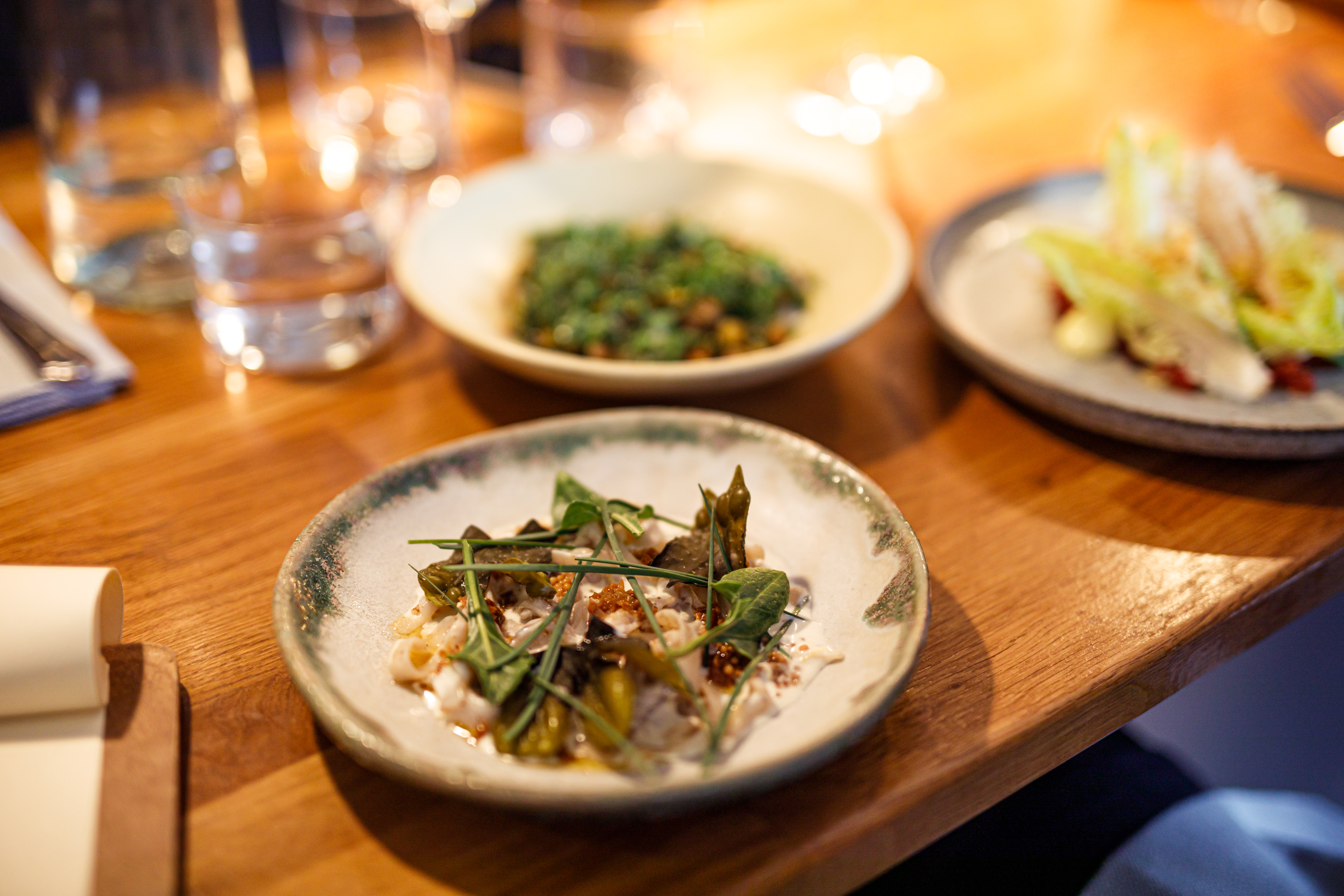
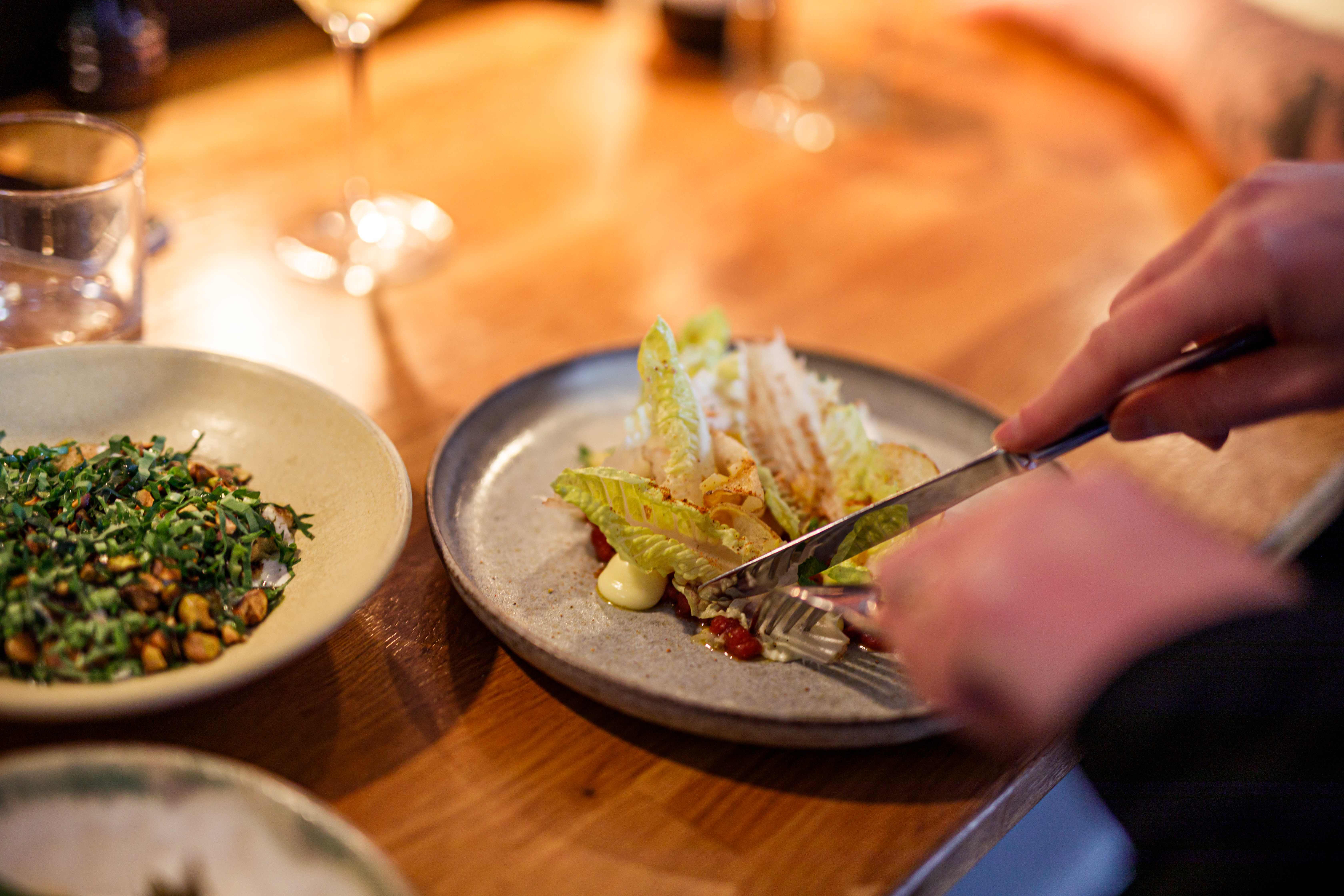
Being millennials ourselves we have to admit to Som’s analysis. But it’s not only about trends and hope of being unique. When going out we want to be surprised, challenged and get an experience. A good dinner is great, but not enough. It must be creative and different –preferably a bit funky, and here natural wine serves to challenge demanding millennials. But when is funky too funky? When does the quest of uniqueness determine what we drink at the expense of taste? One argument made by traditionalists is that natural winemaking prioritizes ideology at the expense of taste. That without interference of the winemaker the taste spins out of control with the result of acidic or a mousy, nauseous taste.
Working as a sommelier, you have to understand the wine, the winemaker, the terroir and the vintage. That is why you taste the wine before you serve it to your guest, to make sure it is up to par. This can be really tricky though, if the bottles are super funky. A flaw is not just a flaw, it can be good or bad. A fault is always bad, but it might be harder to detect than on a traditional classic wine. And a flawed or faulty wine from a winemaker does not mean that all of their wines are, or will forever be, flawed. All winemakers—young, old, new, extremely experienced—can be susceptible to flaws in their wines. So lets be honest, most people do not have the time to be that geeky, when going out. And then for many conventionalists or traditionalts the followers of natural wine are almost seen as a cult without any understanding of reality or critical sense. But it’s a shame says Som. “Some people favor funky, but as a professional I try to collect bottles that creates balance. The mousy taste is a no go. If the taste or smell is furry, you shouldn’t drink it. I’m tired of hipsters preaching that natural wine is supposed to be funky. This idea of weirdness creates a lot of stigmas and prejudices against natural wine.”
As Som points out, natural wine is so many different things, which makes it even more difficult to characterize. “The bottles may vary even from the same harvest. Small flaws such as underplayed acidic notes are part of the charm. Orange wine is typically more aromatic. A great example is Serragghia Zibibo of Gabrio Bini from Pantelleria. It’s a small local farmer and we were only able to get 12 bottles.”
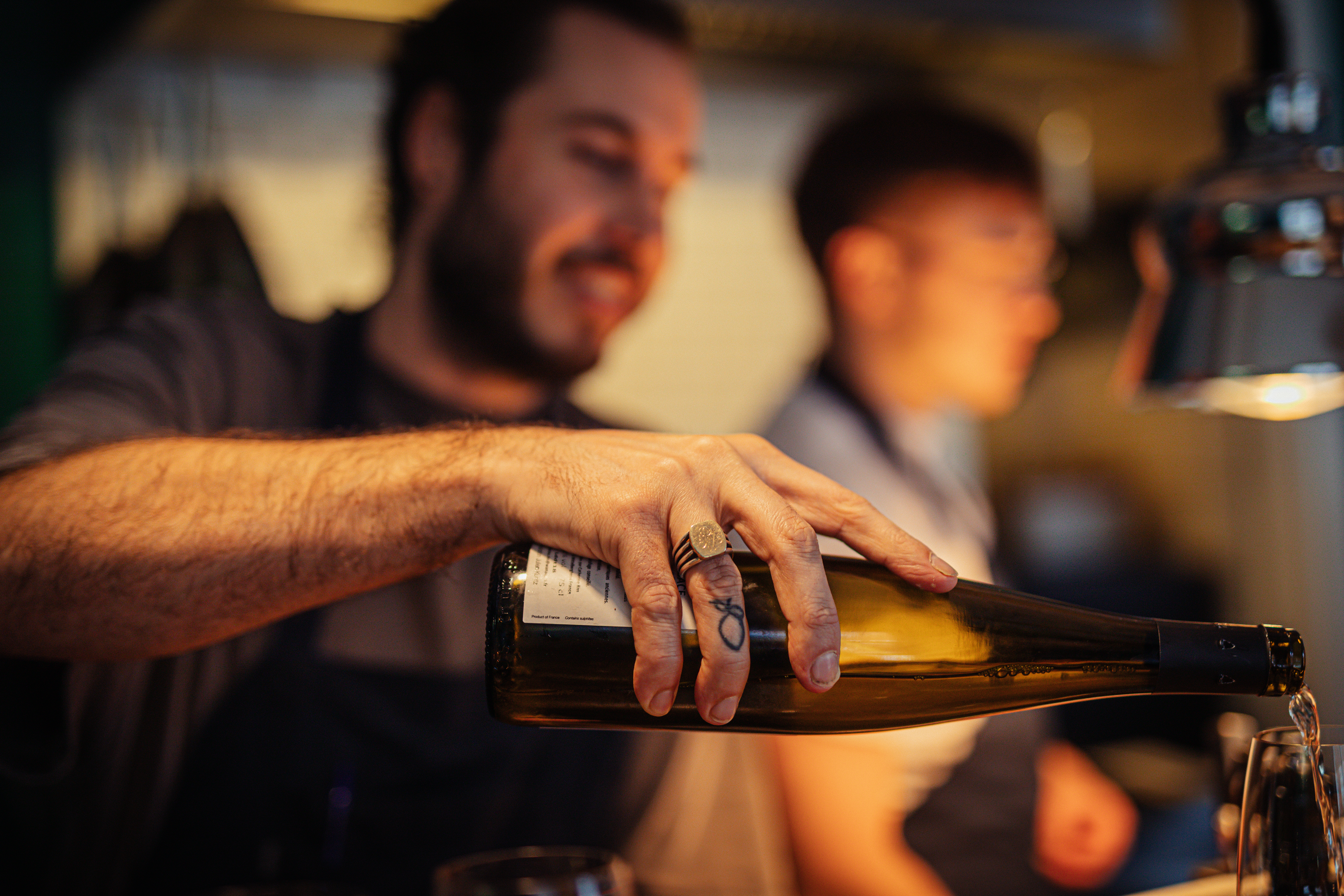
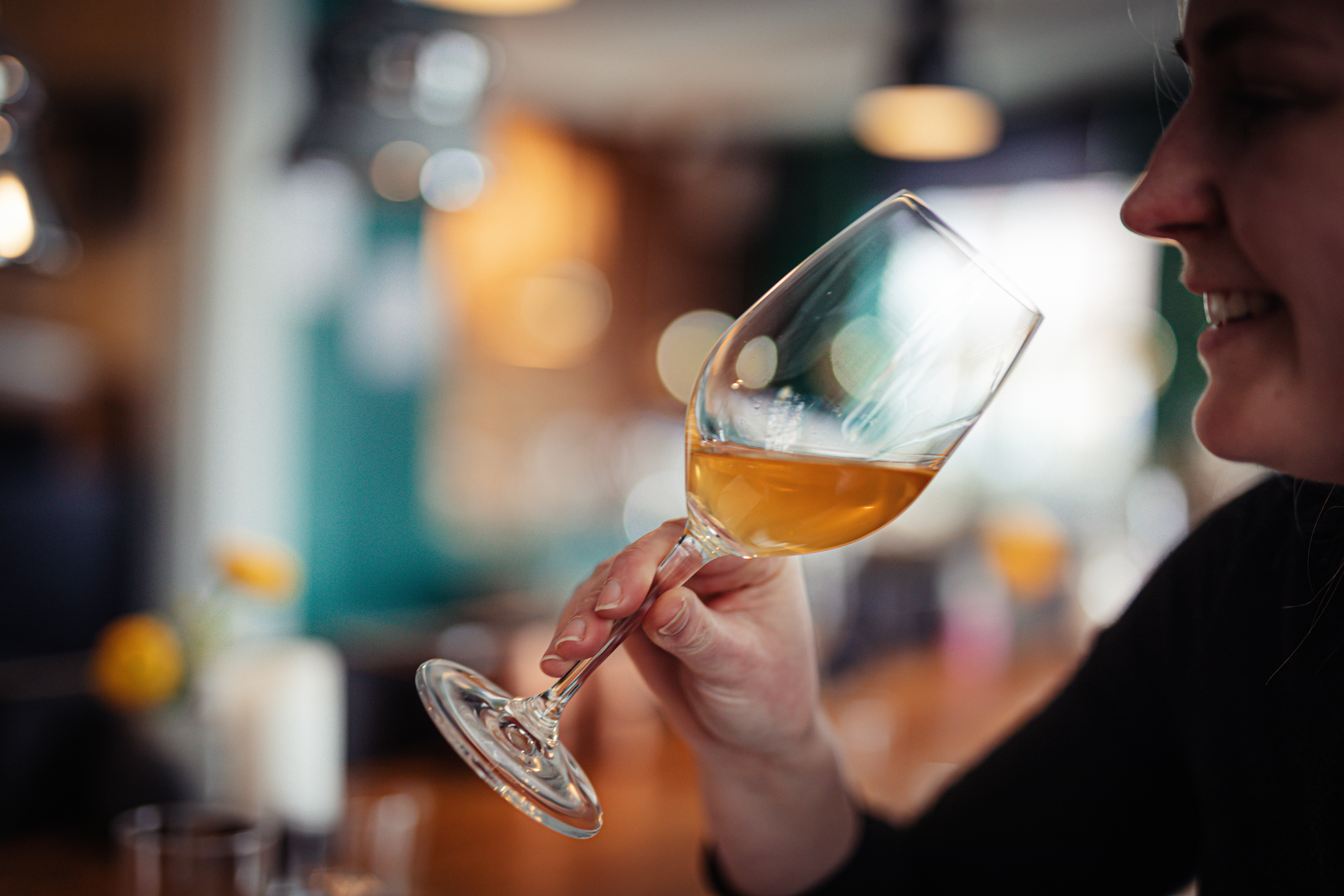
Well, what better way to understand it, than drinking it? Som is pouring us a couple of glasses while explaining what he believes to be a good bottle of natural wine. “In general, I prefer something light whether it’s natural or conventional. It can’t have too many flaws, and if it has any, they should be controlled.” From Møf’s wine list Som recommends Claus Preisinger: a crisp, fresh and minimalistic Austrian white perfect for a warm summer evening on the balcony. A smooth example of a natural wine, which is great if you aren’t used to or too happy about notes off the spectrum. The bottle is a mix between grapes such as Grüner Veltliner, Welschriesling and Weißburgunder.
When asked about reds Som recommends anything off Møf’s wine list from Ganevat in Jura, one of the most recognized and acknowledged natural winemakers. A great pick if you feel like name dropping on your double date. Or Jean-Yves Péron, if you want something less mainstream. “He makes extremely good reds and orange typically smooth and light.” If you want something rowdier with notes of stable, Som suggests Patrick Bouju. “He is crazy, off the grid and wilder, if you want something fun yet tasty.”
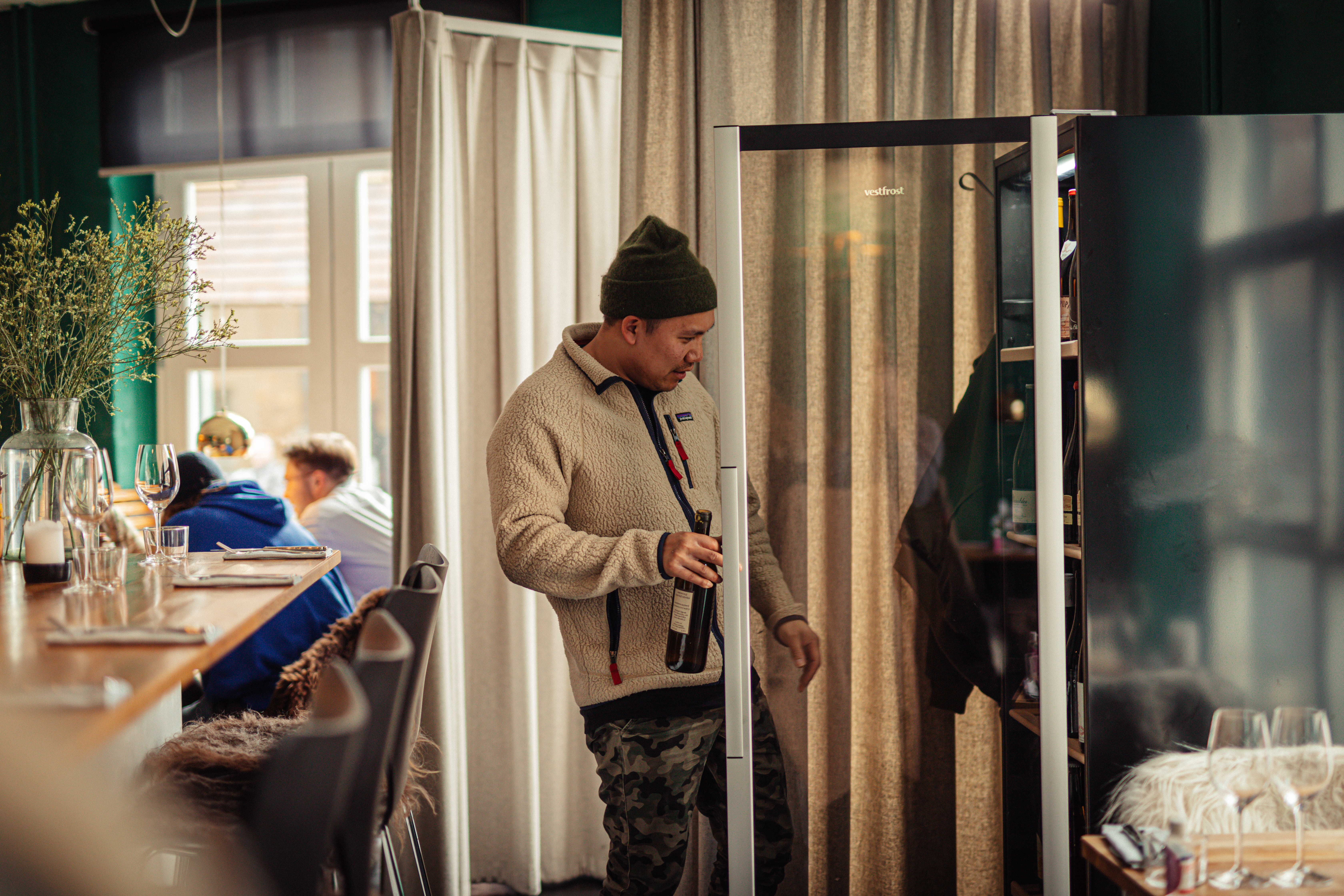
After a few glasses we are curious about what Som is drinking himself these days – and what up-and-coming natural winemaker we should keep an eye on. “I’m not sure I want to tell you in case it gets too popular!” Som laughs as he goes through the wine cooler. “But I wish everyone should know how good this is.” The bottle is from Savoie and made with grapes of Chasselas, an underrated wine district in the French department in the Auvergne-Rhône-Alpes region in eastern France. As a wine region though, Savoie consists of many isolated sub-regions and plots of vineyards scattered across four French departments: Savoie, Haute-Savoie, Isère, Ain. Som’s choice is from a wine maker called Damian Bastian who was taught by Ganevat in Jura. “It has been aged in barrels and is fuller without being heavy. It smells and taste a bit like popcorn.”
Popcorn? Sure, sign us up for a bottle! Anxious to get into the game of natural wine or just broaden your horizon? Som is happy to guide you at Møf or go check out the many newbies and oldies of natural wine in Aarhus. Some of our favorites counts Reduktivt –especially for guidance if you are new in the game, otherwise check out Bardok, KOLO, Sjovinisten and CAPO for a night out accompanied by natural wine or Nabo Kiosk or KOLO Kiosk for a laid-back afternoon.
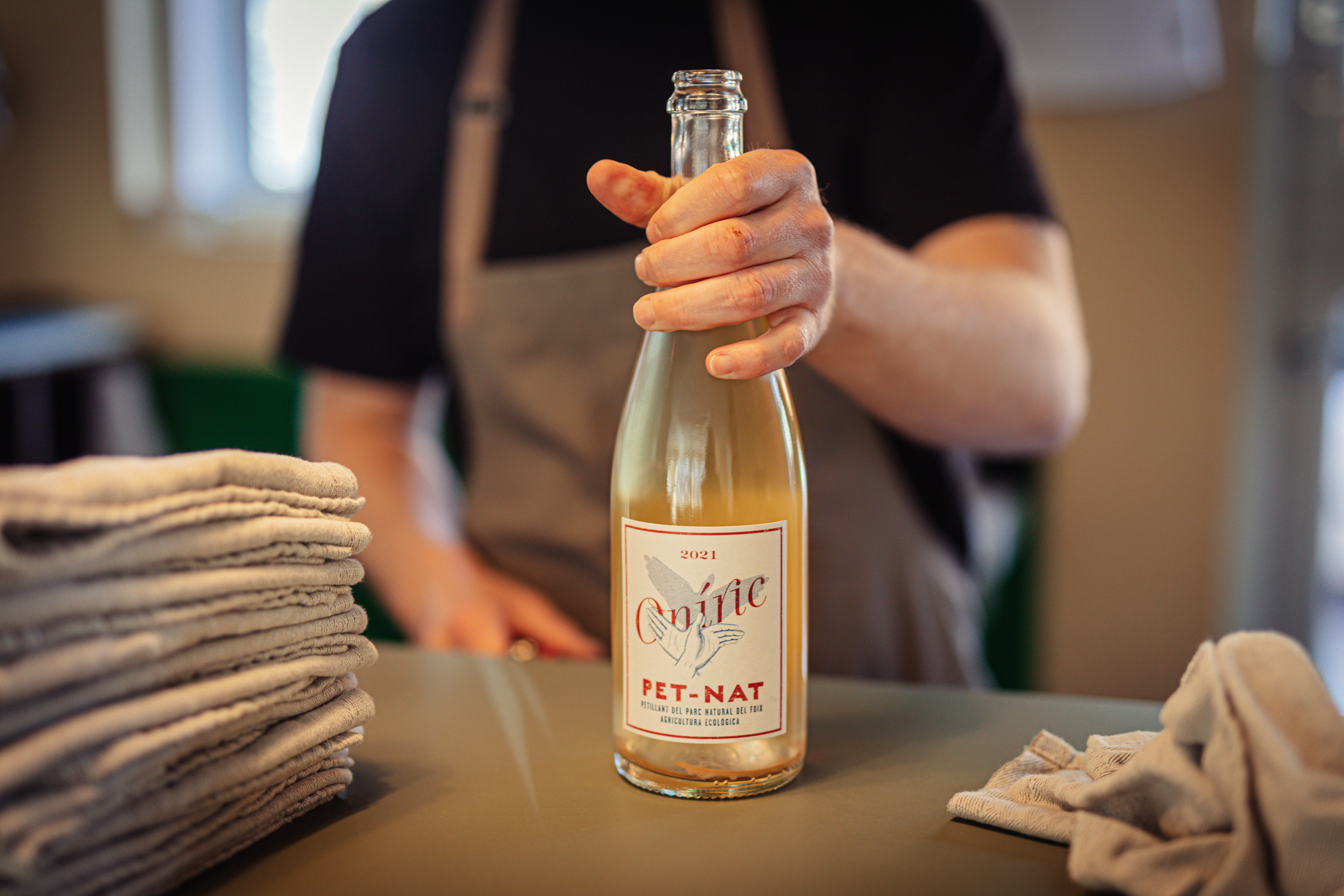
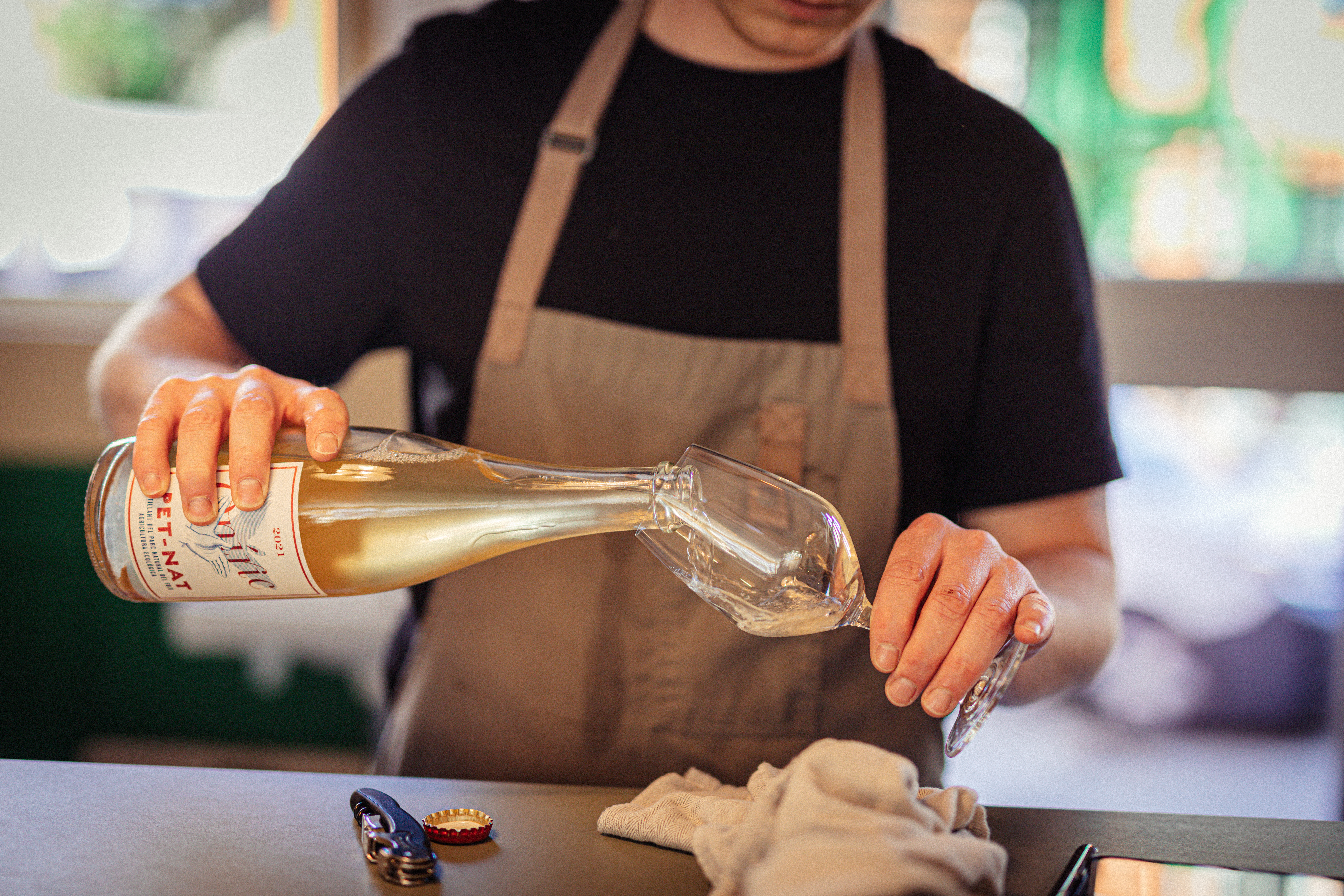
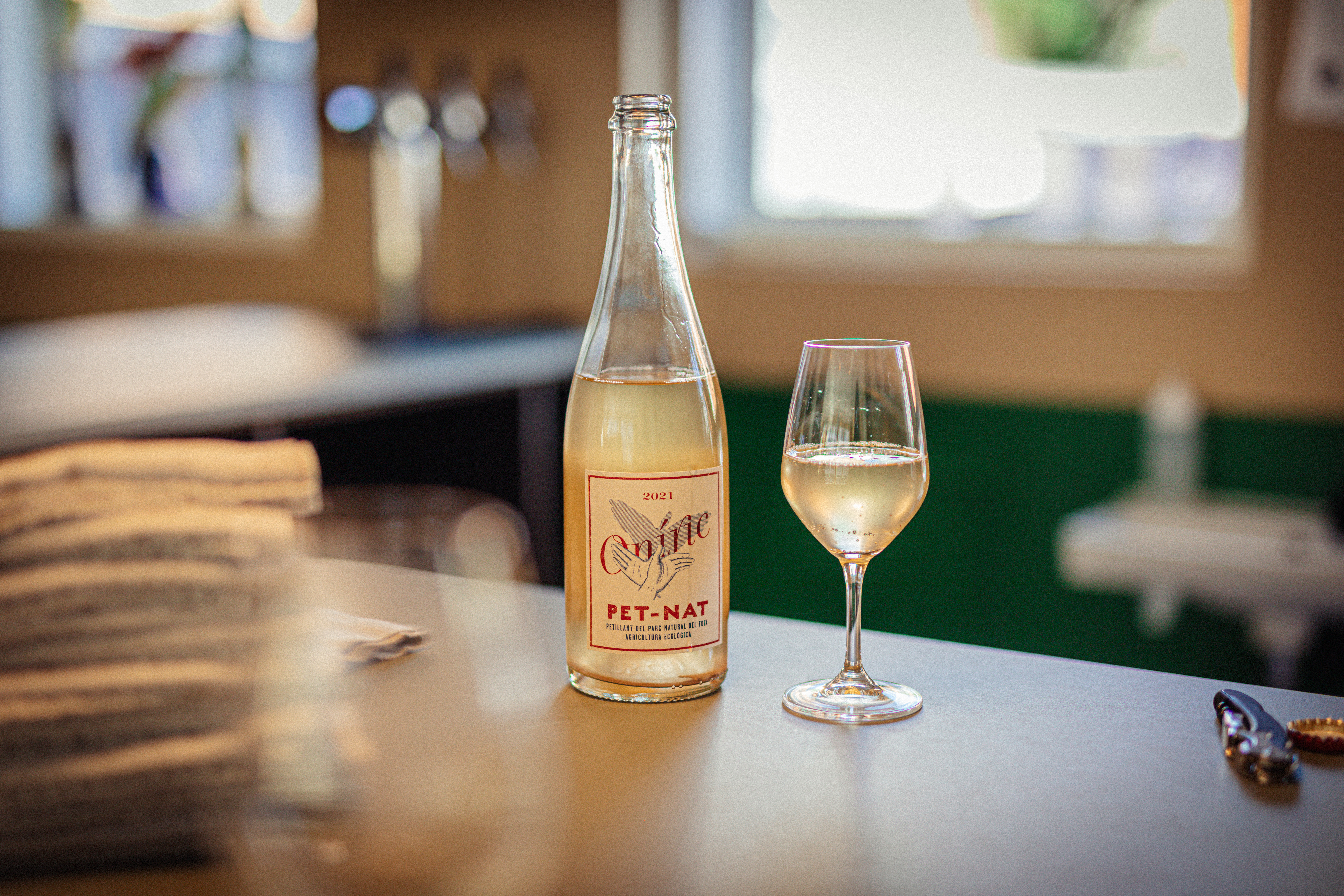
And don’t be afraid to ask more questions, if you don’t understand something, and seek quality products whatever that implies to you, and be open to try something new, that might surprise you. After all most serious winemakers are in someway or another making a “natural wine”, because he/she is out trying to understand mother nature, nourishing the field, handpicking the grapes, and thinking of the best way to vinify the grapes. All so you get the best experience you can possible get, and we really respect that, even if our tastebuds tells us something different, or the definition is unclear.
Salut.
VOCAB NATURE
Brettanomyces or good old Brett.
It is a type of yeast, and yeast is seriously everywhere, so naturally all over the place: in the air, on the grapes, in the barrels or the winery. You just don’t want too much of it in the final product.
Symptoms: Generally, smells and tastes like a barnyard— manure, stables, sweaty saddles, gamey meats, and also sometimes Band-Aids.
Mouse
It is rarely detected by the nose. It is unclear if it is derived from Brett, lactic acids or sitting too long with lees, but is often found in natural wines mad with no added sulfites at all.
Symptoms: No joke. Wine will have a finish that leaves your mouth feeling like a dirty mouse cage, or urine-soaked furry flavor. Or maybe the smell of your dog, that needs to get teeth brushed.
Oxidation/Oxidative
Oxidation is when wine is unintentionally exposed to air, either during the winemaking process or in bottle through a bad closure.
Symptoms: White wines will take on nutty aromas and flavors, and red wines will start to smell and taste like vinegar. And the tint will become more brownish.
Reduction/Reduced
Reduction is the exact opposite of oxidative, so instead of wines purposefully being exposed to air, they are intentionally kept from being exposed to air to preserve the fruit’s aromas throughout the aging process by often using sulfur or inert gases to ward off oxygen.
Symptoms: Smells like burnt matches, rotten eggs & old cabbage.
TCA – 2,4,6-Trichloroanisole
No matter if you are in to conventional wines or natural wines or anything in between TCA is the enemy of all wine people, that typically always can find something else to argue about. This chemical compound is caused by phenols and/or fungi interacting with natural cork, and it straight up ruins wine and has no upside.
Volatile Acidity (VA)
Brett’s bestie.
Symptoms: Vinegar vibes, ranging from balsamic to $4 red wine vinegar.
 låcals
Skriv en kommentar